Introduction
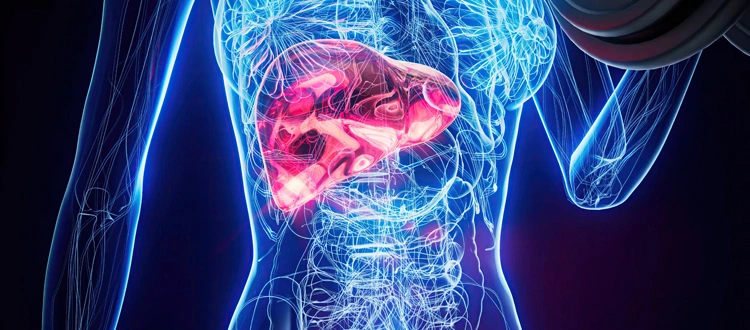
The liver is one of the most important organs in the human body, responsible for detoxification, metabolism, digestion, nutrient storage, and protein production. When the liver becomes damaged due to infection, excessive alcohol consumption, fatty liver disease, autoimmune disorders, or other medical conditions, its ability to perform these essential functions gradually declines. Liver disease may develop suddenly (acute liver disease) or progress slowly over months or years (chronic liver disease).
If left untreated, liver disease can lead to serious complications such as liver fibrosis, cirrhosis, liver failure, and liver cancer. Early diagnosis, appropriate medical care, and lifestyle modifications play a vital role in protecting liver function. Stem cell therapy is also being researched as an emerging regenerative treatment that may support liver tissue repair in carefully selected patients.
What Is Acute and Chronic Liver Disease?
Acute liver disease develops rapidly, often within days or weeks, and may result from viral infections, medication toxicity, poisoning, or severe liver injury. In some cases, acute liver failure becomes a medical emergency requiring immediate treatment.
Chronic liver disease develops gradually over months or years due to ongoing liver damage. Continuous inflammation may lead to scarring (fibrosis), which can progress to cirrhosis and eventually impair normal liver function.
Causes and Risk Factors
Several factors may contribute to liver disease, including:
- Hepatitis B and Hepatitis C infections
- Fatty liver disease (NAFLD and NASH)
- Excessive alcohol consumption
- Autoimmune liver disorders
- Drug-induced liver injury
- Obesity
- Type 2 diabetes
- High cholesterol
- Genetic liver disorders
- Exposure to toxins or poisonous substances
Managing underlying medical conditions and maintaining a healthy lifestyle can help reduce the risk of liver damage.
Common Symptoms
Symptoms vary depending on the severity of liver disease and may include:
- Persistent fatigue
- Loss of appetite
- Nausea and vomiting
- Abdominal pain or discomfort
- Yellowing of the skin and eyes (jaundice)
- Swelling of the abdomen or legs
- Dark-colored urine
- Pale-colored stools
- Easy bruising or bleeding
- Unexplained weight loss
- Confusion in advanced liver disease
Some patients with early-stage chronic liver disease may have few or no symptoms.
Diagnosis
Doctors use several investigations to diagnose liver disease, including:
- Physical examination
- Liver function tests (LFTs)
- Complete blood tests
- Viral hepatitis screening
- Ultrasound of the liver
- FibroScan (liver stiffness assessment)
- CT scan or MRI
- Liver biopsy in selected cases
Early diagnosis helps prevent further liver damage and guides appropriate treatment.
Stem Cell Therapy for Acute and Chronic Liver Disease
Stem cell therapy is an emerging area of regenerative medicine that is being studied for its potential role in supporting liver regeneration. Researchers believe stem cells may help reduce inflammation, promote tissue repair, and stimulate the body’s natural healing processes in damaged liver tissue.
Before treatment, patients undergo a comprehensive medical evaluation to determine eligibility. Stem cell therapy is generally integrated into a personalized treatment plan that may include medications, nutritional management, treatment of the underlying cause, alcohol cessation when applicable, and regular monitoring by liver specialists.
Although clinical research continues to evolve, stem cell therapy is not considered a proven cure for liver disease. However, selected patients may experience supportive benefits when therapy is combined with standard medical care.
Potential Benefits of Stem Cell Therapy
Depending on the patient’s condition, potential benefits may include:
- Supports liver tissue repair
- May reduce inflammation
- Supports liver cell regeneration
- May improve liver function in selected patients
- Helps slow disease progression
- Personalized treatment approach
- Minimally invasive procedure
- May improve overall quality of life
Treatment outcomes vary based on the stage of liver disease, overall health, and response to therapy.
Why Choose India for Stem Cell Therapy?
India has become a preferred destination for regenerative medicine due to:
- Experienced hepatologists and regenerative medicine specialists
- Advanced diagnostic facilities
- Modern stem cell laboratories
- Personalized treatment protocols
- Comprehensive patient care
- Affordable healthcare services
- International-standard medical infrastructure
Conclusion
Acute and chronic liver diseases are serious medical conditions that require early diagnosis and appropriate treatment to prevent long-term complications. Conventional medical care remains the cornerstone of liver disease management, while stem cell therapy continues to be investigated as a promising regenerative approach for selected patients. Consulting experienced liver specialists and regenerative medicine experts is essential to determine the most suitable treatment plan based on individual medical needs.
Frequently Asked Questions (FAQs)
- What is the difference between acute and chronic liver disease?
Acute liver disease develops suddenly over a short period, while chronic liver disease progresses gradually over months or years due to ongoing liver damage.
- What are the common causes of liver disease?
Common causes include viral hepatitis, fatty liver disease, alcohol-related liver disease, autoimmune disorders, obesity, diabetes, genetic conditions, and certain medications.
- Can liver disease be cured?
Some acute liver conditions can recover completely with appropriate treatment. Chronic liver disease often requires long-term management to slow progression and preserve liver function.
- Can stem cell therapy help patients with liver disease?
Stem cell therapy is being researched as a regenerative treatment that may support liver tissue repair and improve liver function in selected patients. It is not a guaranteed cure, and outcomes vary.
- Who may be eligible for stem cell therapy?
Patients with certain forms of acute or chronic liver disease may be evaluated for stem cell therapy after a comprehensive assessment by qualified hepatologists and regenerative medicine specialists.