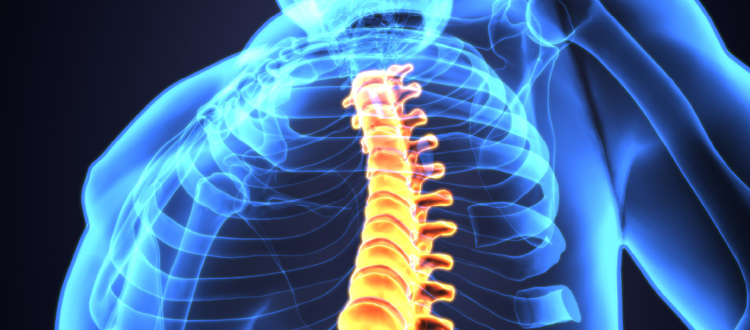
Introduction Spinal cord injury (SCI) has devastating consequences and patients often desire access to treatments considered to be beyond routine rehabilitation. Regenerative medicine, stem cell therapy and related methodologies have gradually entered clinical and experimental application in Germany, offering new possibilities to SCI-affected individuals.
Research Foundations and the Regulatory Framework
Germany, in particular, has a strong scientific base in both stem cells and regenerative research. The German Society of Stem Cell Research (GSZ) promotes national cooperation between undergraduate universities, postgraduate universities and research Laboratories leading to innovation in cellular therapies.
But the route from bench to bedside is regulated: use of embryonic stem cells is strictly regulated, and working with MSCs, exosomes, and iPSC-derived suspects needs to be conducted under strict supervision.
Clinical & Experimental Therapies in Germany
Several German medical centres and research institutions pursue stem cell–based techniques for SCI. For instance, the ANOVA Institute for Regenerative Medicine located near Frankfurt, has developed a combined neuro-regenerative and robotic exoskeleton therapy (the REMCell approach) integrating mesenchymal stem cell secretome administration with HAL exoskeleton training for patients with residual neural input. The principle is very basic and involves influencing inflammation and angiogenesis, as well as enhancing neural plasticity by a paracrine activity of transplanted cells or their secretome. These effects may synergise with the intense rehabilitation and lead to better functional recovery.
Clinics also concentrate treatment — using cells or secretomes under or near the lesion, rather than systemic infusion, because SCI has a clear anatomical target.
Clinical Challenges and Risks and Gaps in the Evidence
Although human applications are currently underway in German centres, SC therapy for SCI is still in its experimental phase. No intervention can be considered standard care, and the published data tend to be derived either from small cohorts of patients or early-stage trials.
In addition, there are regulatory and safety issues. In 2021, authorities in Germany closed down a clinic offering unproven stem cell therapies — a reminder that oversight and proof are urgently needed.
These include immune responses, inappropriate differentiation, tumorigenicity, and procedural complications. A thorough benefit-risk evaluation is required for every patient.
Cost, Access, and Other Practical Issues
Stem cell treatment in Germany is expensive and can easily reach over ten thousand euros, depending on the complexity of the case and whether there are any elements of robotic rehabilitation included.
As many treatments are classified as experimental, they may not be reimbursed by health insurance. Prospective patients should ask about clinicalal trials availability, institutional approval, and ethical oversight.
German centres can occasionally be accessed by international patients for second opinion consults or arranging travel in small groups. Some German spinal cord injury centres—such as the Berufsgenossenschaftliche Kliniken Bergmannstrost Halle—do provide extensive rehabilitation and research connections.
Outlook
Stem cell therapy for spinal cord injury in Germany is currently at a promising but cautious standstill. Studies are ongoing to optimise delivery, cell types, and combinations (eg, with exoskeleton or training). So patients looking at this route must get complete information on the risks, clinical evidence and regulatory status.