Medically reviewed by Dr. Prashant Tyagi (Stem Cell Biotechnology Specialist, 10+ years) and Dr. B. N. Singh (General Physician, MBBS MS General Surgery, 30+ years)
Spinal cord injury remains one of the most challenging conditions in medicine, and patients and families researching treatment options often come across stem cell therapy as a potential avenue. Given how much hope and misinformation surrounds this topic, an honest, evidence-grounded explanation matters. Here’s what current research actually shows.
Why Spinal Cord Injury Is So Difficult to Treat
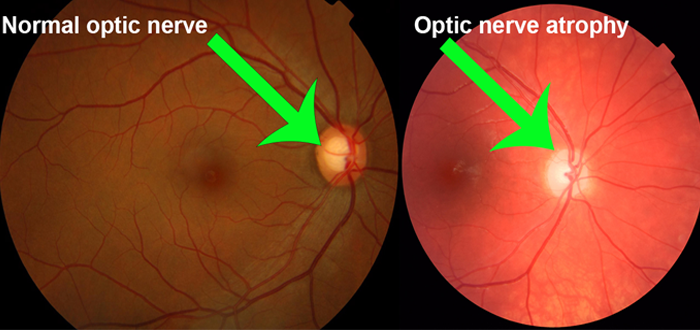
The spinal cord, like the optic nerve, is part of the central nervous system, which has a very limited natural capacity for regeneration compared to peripheral nerves. Once spinal cord tissue is damaged, the body does not reliably regenerate the specific neural connections lost, which is why spinal cord injury has historically been considered largely irreversible once the acute injury phase has passed and scarring has set in.
What Stem Cell Therapy Is Being Studied For
Current research into stem cell therapy for spinal cord injury generally explores several potential mechanisms – reducing secondary inflammation and damage in the period following injury, supporting the survival of nerve cells that remain viable, and in some studies, exploring whether transplanted cells can contribute to partial repair of the injury site. It’s important to be direct: this research remains in various stages of investigation, and results vary considerably depending on the severity, level, and timing of the injury being studied.
Why Timing After Injury Matters
Much of the current research distinguishes between acute intervention – within a relatively short window after injury – and treatment offered in the chronic phase, months or years after the initial injury. Generally, interventions studied earlier after injury have shown more research interest in terms of limiting secondary damage, while chronic-phase treatment faces the added challenge of established scarring and more complete tissue loss, which may limit the degree of benefit achievable.
What Current Evidence Actually Supports
It’s honest to say that stem cell therapy for spinal cord injury has not yet become an established, universally proven cure. Some studies report modest improvements in specific measures – such as sensation or partial motor function – in carefully selected patients, while others show limited or no measurable change. Responsible providers describe this as a developing area of medicine with variable, individual-dependent outcomes, not a guaranteed path to significant recovery.
What Determines Whether a Patient Might Be a Candidate
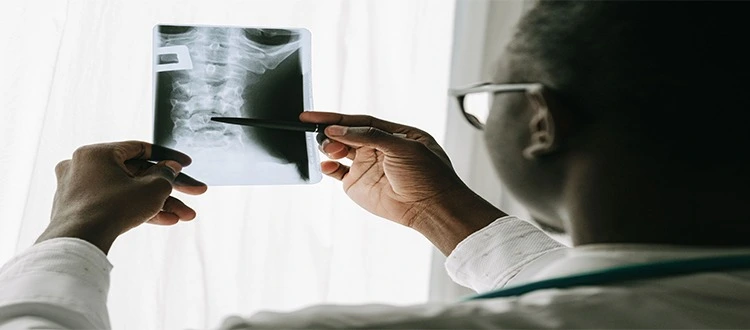
Suitability for stem cell therapy in spinal cord injury depends on factors including the severity and completeness of the injury, how much time has passed since the injury occurred, and the patient’s overall health status. A thorough evaluation, including detailed imaging and neurological assessment, is necessary before any treatment plan can be reasonably proposed – a decision made by a specialist familiar with the specific case, not offered generically to every patient with a spinal cord injury.
Questions Worth Asking Before Considering Treatment
- Based on my specific injury severity and timing, what does current evidence suggest about likely benefit?
- What specific outcome measures will be used to assess whether treatment has helped?
- What does the aftercare and rehabilitation plan look like alongside any stem cell intervention?
- How does the clinic communicate honestly about the likelihood of no significant improvement?
What This Means in Practice
For most patients and families researching this option, the most useful first step is a thorough, honest evaluation of the specific injury – including its severity, level, and timing – paired with a realistic discussion of what current research does and does not support. Stem cell therapy for spinal cord injury should be considered alongside, not instead of, comprehensive rehabilitation care.
Government & Regulatory References
- Evidence-Based Status of Stem Cell Therapy for Human Diseases – Indian Council of Medical Research (ICMR) – this ICMR document specifically reviews the evidence status of stem cell therapy across conditions, including neurological and spinal cord-related applications.
- Clinical Trials Registry – India (CTRI) – the government registry where any legitimate stem cell trial for spinal cord injury conducted in India would be formally registered, useful for verifying whether a specific treatment claim is backed by a registered clinical trial.
Related Readings
Stem Cell Treatment in India: Your Step-by-Step Journey
Medical Tourism in India








The entire team was polite, supportive, and well-coordinated. I felt comfortable throughout the process and appreciated the personal attention and guidance provided by the staff. Overall, I am very happy with my experience at **Stem Cell Cure India** and would definitely recommend **Dr. Prashant Tyagi and his team** to anyone looking for professional and compassionate care.

The staff was also courteous, cooperative, and always willing to help. I truly appreciate the professionalism and personal attention provided throughout the journey. Overall, I had a very positive experience with **Dr. Prashant Tyagi and the entire Stem Cell Cure India team**. Highly recommended for their professional approach and supportive care.






I advise everyone to come and take a chance if suffering with this disease.
Thanks