Stem cell therapy has emerged as one of the most discussed areas in regenerative medicine. Across India, patients and families are increasingly exploring stem cell-based approaches for conditions where conventional treatment options may have limitations.
This blog explains what stem cell therapy is, how it works, who may be considered for treatment evaluation, and what patients should know before making a medical decision.
What Is Stem Cell Therapy?
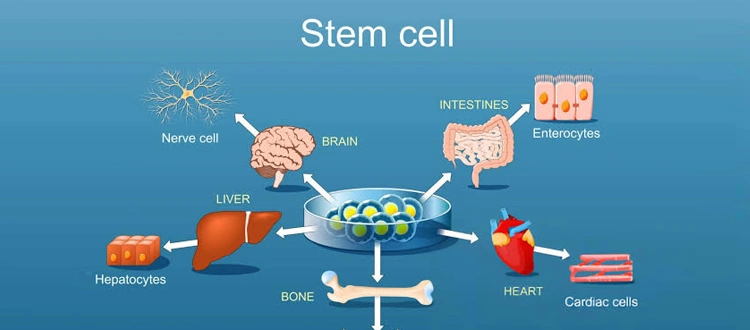
Stem cells are specialized cells that have the ability to develop into different cell types and support tissue repair processes. Researchers continue to study how these cells may assist the body’s natural healing mechanisms in selected medical conditions.
Stem cell therapy involves using these cells under medical supervision as part of a treatment protocol designed for a patient’s specific condition.
How Does Stem Cell Therapy Work?
The treatment process may vary depending on the medical condition and physician evaluation, but commonly includes:
1. Patient Evaluation
A detailed review of medical history, current reports, previous treatments, and eligibility assessment.
2. Treatment Planning
Doctors determine whether stem cell therapy is suitable and identify the most appropriate treatment approach.
3. Cell Preparation
Depending on the case, stem cells may be sourced and prepared under controlled protocols.
4. Administration Procedure
Cells are administered according to clinical requirements and monitored by medical professionals.
5. Follow-Up Care
Patients may require ongoing monitoring and rehabilitation depending on their condition.
Conditions Being Studied for Stem Cell Applications
Regenerative medicine continues to be explored across multiple areas including:
- Blood-related disorders
- Neurological conditions
- Orthopedic concerns
- Vision-related disorders
- Chronic degenerative conditions
- Certain metabolic disorders
Research and treatment suitability continue to evolve and must always be evaluated individually.
Why Patients Consider Stem Cell Therapy in India
India has become a destination for many patients due to:
- Access to specialized medical facilities
- Experienced clinical teams
- Structured patient support services
- Advanced regenerative medicine infrastructure
Several providers also collaborate with accredited healthcare institutions and follow patient-specific treatment pathways.
Questions Patients Should Ask Before Treatment
Before proceeding, ask:
- Is this treatment appropriate for my diagnosis?
- What clinical evidence supports this approach?
- What outcomes are realistic?
- What follow-up care will be required?
- Are there limitations or uncertainties?
Final Thoughts
Stem cell therapy represents an evolving field of medicine with growing research interest worldwide. The most important step is choosing proper medical evaluation and understanding whether a treatment plan is appropriate for your individual condition.
For treatment guidance, patients should always consult qualified healthcare professionals and review complete medical records before making decisions.
Frequently Asked Questions (FAQs)
1. What is stem cell therapy?
Stem cell therapy is a regenerative medicine approach that uses specialized cells being studied for their potential role in supporting tissue repair and recovery processes under medical supervision.
2. Is stem cell therapy available in India?
India has healthcare centers and specialists that provide stem cell-based treatment approaches depending on medical evaluation, patient eligibility, and applicable clinical protocols.
3. Who may be considered for stem cell therapy?
Eligibility depends on factors such as diagnosis, age, medical history, previous treatments, and physician assessment.
4. Is stem cell therapy a permanent cure?
Stem cell therapy should not be viewed as a guaranteed or universal cure. Outcomes can vary depending on the individual condition and treatment response.
5. How long does the stem cell treatment process take?
The duration varies depending on the treatment plan, evaluation process, and follow-up requirements.
6. Is stem cell therapy safe?
Safety considerations depend on the condition being treated, treatment method, patient health status, and medical supervision.
7. What conditions are commonly explored for stem cell applications?
Research and clinical applications continue across areas such as neurological disorders, orthopedic conditions, blood-related disorders, and regenerative medicine fields.
8. How can patients know whether they are eligible?
Patients typically undergo medical consultation and report evaluation before determining treatment suitability.