
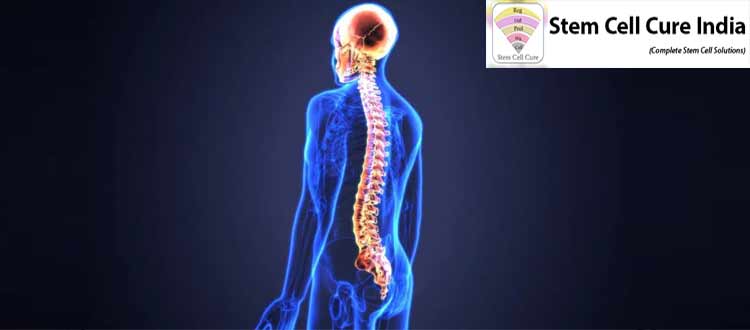
Spinal cord injury (SCI) remains a formidable challenge in contemporary medicine, as patients are typically left with a high degree of sensory and motor impairment, if not complete loss below the level of injury. In Canada, emerging breakthroughs in regenerative medicine and stem cell therapy provide new hope for individuals with SCI. This review focuses on the status, challenges, and future directions of stem cell-based therapy for spinal cord injury in Canada.
The Potential of Stem Cell Therapy in SCI
Stem cell therapy attempts to take advantage of the body’s natural repair mechanisms by introducing cells that can become neural, glial, or vascular-supporting cells. In spinal cord injury, the specific goals are:
- Substituting for lost cells - for example, neurons and oligodendrocytes.
- To support remyelination - replace lost myelin sheaths around surviving axons.
- To modulate inflammation: Decrease secondary injury 4 4.
- To enhance angiogenesis and trophic support: To enhance the microenvironment for regeneration.
These potential mechanisms provide a multi-targeted approach to functional restoration in SCI.
Canadian Research and Trials
Canada boasts many universities and hospitals involved in preclinical and early human studies using stem cell–based therapies. Toronto, Montreal, and British Columbia academic institutions are related to MSC, neural progenitor cells and iPS-derived NP investigation.
In Canada, regulatory oversight is stringent. Trials must meet Health Canada’s standards for cell production, Good Manufacturing Practices (GMP), safety monitoring, and ethical assessment of clinical research. Only a handful of trials have advanced to human subjects as a result, with the majority of published information still in pilot studies or small cohorts.
Clinical Outcomes and Limitations
Small improvements in sensation or motor function, bladder or bowel control, and quality-of-life metrics have been documented in initial human trials in Canada and worldwide. Full recovery is notwithstanding. Among the key problems are:
- Cell viability and integration: Transplanted cells may not survive in large numbers in the post-injury cascade of events or they may fail to integrate into the existing neural network.
- When to intervene: The appropriate time for transplantation (acute, subacute and chronic stages) is still a subject of research.
- Methods of delivery: Evaluation is underway to compare intrathecal injection with direct intraparenchymal deposition or application with biomaterial scaffolds.
- Risk and safety: Even after thorough screening, there remain risks such as tumorigenicity, ectopic growth, or immune reactions.
Looking Ahead/Future Directions
What follows is a composite of the Quebecois and Canadian researchers’ 10-year plan for stem cell therapy with adjuvant therapies:
- Neurorehabilitation / ES — activity-dependent plasticity
- Biomaterial scaffolds and hydrogels — to guide axonal growth
- Gene editing and growth factor delivery – survival and differentiation enhancement
- Personalised cell products — e.g. patient-specific induced pluripotent stem cells (iPSCs)
Partnerships between Canadian centres and international partners are broadening the availability of shared datasets and multi-centre trials. There is a sense of hope in the Canadian spinal cord injury community that stem cell therapy may, someday, become a realistic rehabilitative adjunct to help SCI patients attain better outcomes.
Although the process of bringing experimental therapies to the standard of care can be long, the progress being made in Canada gives hope for a positive turn in regenerative neurology.