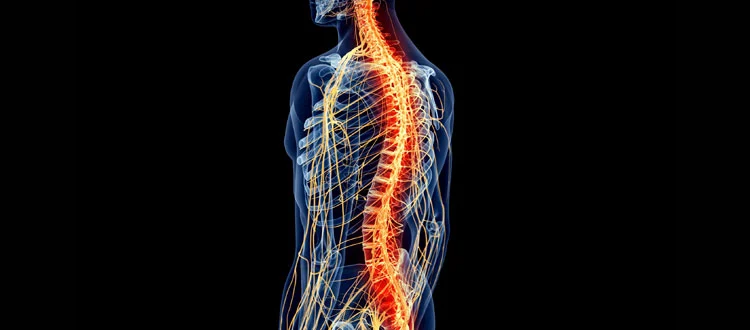
A spinal cord injury can make life totally different. Paralysis usually is present; sometimes feeling goes away, or there are issues in the everyday actions. This injury comes if the spinal cord becomes damaged, either from an accident, falling down or the sickness. When it happens, the signals from the brain and body are not passing anymore.
Currently, standard treatments are helping to prevent more harm, and they give a backup for healing. There is surgery, drug use and also things like rehab or physical therapies. But those do not usually make the nerves grow again. This is why researchers are trying other options, such as a stem cell treatment for repairing some injuries.
What Are Stem Cells, and How Do They Help?
Stem cells are unique cells which have the opportunity to become many various types of cells. For spinal cord injuries, these can repair damaged nerve tissues. They may:
- Replace lost nerve cells
- Lower swelling
- Grow new nerve links
- Protect nerves that are still working
This could help people move better, feel more, or control their bladder.
Main Types of Stem Cells Used
Doctors study a few kinds:
- Mesenchymal stem cells (MSCs): Obtained from bone marrow, fat or the umbilical cord. These are popular because they promote healing and decrease swelling.
- Neural stem cells: They may become nerve cells and support rebuilding of pathways in the spinal cord.
- Induced pluripotent stem cells (iPSCs): Produced by reverting an adult cell to a younger condition. These can generate certain nerve cells necessary for repair.
Many trials test these types to see what works best.
What Do Studies Show?
Stem cell therapy for spinal cord injury is still new. Early studies give hope. Some people see better movement, feeling, or bladder control. Reviews of many trials show gains on scales that measure nerve function.
Treatments seem safe in small studies, especially with rehab after. But we need bigger, longer trials to know if benefits last and how best to use it. As of 2026, research keeps growing, with new trials testing cells for chronic injuries and some getting early approvals in places.
Things Australian Patients Should Think About
In Australia, stem cell treatments for SCI are limited. Many people look overseas for care not yet common here. If you consider this:
- Check the clinic’s reputation and doctors’ skills.
- Ask about the stem cells: where they’re from and how they’re prepared.
- Look at safety rules and how treatment is done.
- Make sure there is good rehab after treatment.
Talk to your doctor or specialists first. Look at real study results to make smart choices. Avoid places with big promises but little proof.
Wrapping Up
Stem cell therapy in Australia provides a genuine hope for treating spinal cord injury. This approach attempts to repair the principal issue, damaged nerves, instead of only controlling symptoms. Research is progressing every year and gives an opportunity to access more options globally. I mean, it is kind of promising in many ways.
For Australians thinking about this treatment, learning the facts helps. It can be a step toward better recovery and life quality. Always get advice from trusted health experts.