Brain Stroke/Injury: Symptoms, Causes, Treatment, and Stem Cell Therapy
Introduction
A Brain Stroke or Brain Injury is a serious neurological condition that can affect movement, speech, memory, balance, and overall body function. A stroke occurs when the blood supply to a part of the brain is interrupted or when a blood vessel in the brain ruptures, leading to damage of brain cells. A traumatic brain injury (TBI), on the other hand, results from a sudden impact or blow to the head caused by accidents, falls, or sports injuries.
Both conditions require immediate medical attention and long-term rehabilitation. Although conventional treatments remain the foundation of care, regenerative medicine has introduced stem cell therapy as an emerging treatment that is being investigated for its potential to support neurological recovery in selected patients.
What Is Brain Stroke and Brain Injury?
A brain stroke occurs when brain tissue is deprived of oxygen due to blocked or ruptured blood vessels. The two main types are:
- Ischemic Stroke: Caused by a blocked artery and accounts for the majority of stroke cases.
- Hemorrhagic Stroke: Caused by bleeding within the brain due to a ruptured blood vessel.
A traumatic brain injury (TBI) occurs when external force damages the brain. The severity may range from mild concussion to severe brain injury with long-term neurological complications.
Causes and Risk Factors
Several factors may increase the risk of brain stroke or injury, including:
- High blood pressure
- Diabetes
- High cholesterol
- Heart disease
- Smoking
- Obesity
- Sedentary lifestyle
- Road traffic accidents
- Falls
- Sports injuries
- Workplace accidents
Managing these risk factors can help reduce the likelihood of stroke and improve overall brain health.
Common Symptoms
Symptoms depend on the affected area of the brain but may include:
- Sudden weakness or paralysis on one side of the body
- Difficulty speaking or understanding speech
- Loss of balance and coordination
- Severe headache
- Vision problems
- Memory loss
- Confusion
- Difficulty swallowing
- Changes in behavior or personality
- Loss of consciousness in severe injuries
Emergency medical treatment is essential because early intervention can significantly improve recovery.
Diagnosis
Doctors use several investigations to diagnose brain stroke or injury, including:
- Neurological examination
- CT scan of the brain
- MRI scan
- Blood tests
- CT or MR angiography
- Carotid ultrasound
- Cardiac evaluation when necessary
Accurate diagnosis helps determine the type and extent of brain damage and guides treatment planning.
Stem Cell Therapy for Brain Stroke/Injury
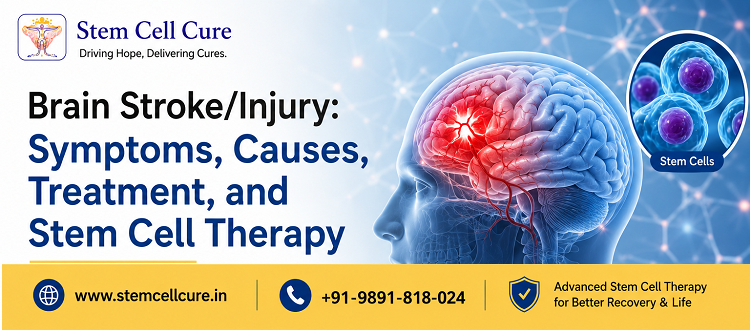
Stem cell therapy for Brain Stroke in India is an evolving area of regenerative medicine that is being studied for its potential role in neurological recovery after stroke or brain injury. Researchers believe stem cells may help support tissue repair, reduce inflammation, promote the release of growth factors, and create an environment that encourages healing of damaged brain tissue.
Before treatment, patients undergo a comprehensive neurological evaluation to determine whether they are suitable candidates. Stem cell therapy is generally offered alongside physiotherapy, occupational therapy, speech therapy, cognitive rehabilitation, and conventional medical care as part of a multidisciplinary rehabilitation program.
Although research is ongoing, some studies suggest that selected patients may experience improvements in mobility, muscle strength, speech, cognitive function, and overall quality of life. However, stem cell therapy is not considered a guaranteed cure, and treatment outcomes vary among individuals.
Potential Benefits of Stem Cell Therapy
Depending on the patient’s condition, potential benefits may include:
- Supports nerve tissue repair
- May reduce brain inflammation
- Encourages neurological recovery
- May improve movement and coordination
- Supports speech and cognitive rehabilitation
- Enhances participation in physiotherapy
- Personalized treatment based on medical evaluation
- May improve overall quality of life
The effectiveness of treatment depends on the severity of brain damage, timing of intervention, overall health, and rehabilitation efforts.
Conclusion
Brain stroke and traumatic brain injury are life-changing neurological conditions that require prompt medical care and long-term rehabilitation. Early diagnosis, specialized treatment, and structured rehabilitation remain the cornerstone of recovery. Stem cell therapy is a promising area of regenerative medicine that is being investigated for its potential to support neurological repair and improve functional recovery in selected patients. Consulting experienced neurologists and regenerative medicine specialists is essential to determine the most appropriate treatment approach.
Frequently Asked Questions (FAQs)
- What is the difference between a brain stroke and a brain injury?
A brain stroke occurs due to interrupted blood flow or bleeding in the brain, while a brain injury is caused by external trauma such as accidents or falls.
- What are the early warning signs of a stroke?
Common warning signs include sudden weakness on one side, difficulty speaking, facial drooping, vision problems, severe headache, and loss of balance. Immediate emergency medical care is critical.
- Can stem cell therapy help after a brain stroke or injury?
Stem cell therapy is being researched as a regenerative treatment that may support neurological recovery and rehabilitation in selected patients. Suitability should be determined through a comprehensive medical evaluation.
- Is rehabilitation necessary after a stroke?
Yes. Physiotherapy, occupational therapy, speech therapy, and cognitive rehabilitation are essential components of recovery and help maximize functional improvement.
- Who may be eligible for stem cell therapy?
Patients with certain neurological deficits following brain stroke or traumatic brain injury may be evaluated for stem cell therapy after assessment by qualified neurology and regenerative medicine specialists.