Last updated: 17 October 2026 | Author: Dr. Prashant Tyagi (Stem Cell Biotechnology Specialist, 10+ years) and Dr. B. N. Singh (General Physician, MBBS MS General Surgery, 30+ years)
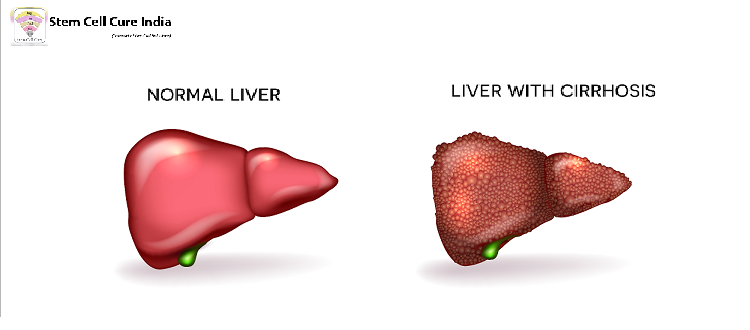
Liver cirrhosis treatment in India focuses on treating the cause, preventing complications and, for end-stage disease, considering liver transplantation. Cirrhosis is advanced scarring of the liver that cannot be fully reversed, and stem cell therapy for it remains investigational. This guide explains the causes, stages, established care and what research has shown so far.
Quick Navigation
- What Is Liver Cirrhosis?
- Symptoms and Diagnosis
- Established Care vs Investigational Treatment
- What Stem Cell Research Shows
- Protecting Your Liver Every Day
- Regulation and Approvals: What the Rules Say
- Understanding the Risks
- Questions to Ask Before You Decide
- Frequently asked questions
What Is Liver Cirrhosis?
In cirrhosis, long-term liver injury replaces healthy tissue with scar tissue and disturbs liver function and blood flow. Early, “compensated” cirrhosis may cause few symptoms, while “decompensated” cirrhosis causes complications such as fluid in the abdomen, bleeding from swollen veins, confusion and jaundice.
Common Causes
- hepatitis B and hepatitis C infection
- long-term alcohol use
- fatty liver disease linked to obesity and diabetes
- autoimmune and bile duct diseases
- inherited and metabolic conditions such as Wilson disease and hemochromatosis
Symptoms and Diagnosis
Symptoms include fatigue, loss of appetite, weight loss, swelling of the legs or abdomen, easy bruising, jaundice and confusion. Doctors use blood tests, ultrasound, elastography, endoscopy and sometimes biopsy to stage the disease and look for complications and liver cancer.
Established Care vs Investigational Treatment
| Category | Status | What it involves |
|---|---|---|
| Treating the cause | Standard of care | Antiviral treatment for hepatitis B or C, stopping alcohol, managing diabetes and weight, treating autoimmune or metabolic disease |
| Preventing and treating complications | Standard of care | Diuretics, endoscopic treatment of varices, treatment of encephalopathy, nutrition, vaccination, cancer surveillance |
| Liver transplantation | Established treatment for end-stage liver disease | Assessed at specialist transplant centres under national transplant rules |
| Stem cell therapy for cirrhosis | Investigational. Permitted only within approved clinical research | Studies using bone marrow or mesenchymal cells; not a substitute for transplant |
What Stem Cell Research Shows
Small studies have tested bone marrow cells and mesenchymal stem cells in cirrhosis, mainly to see whether they improve liver function scores or reduce scarring. Results have been mixed, trials differ in design, and long-term benefit and safety are not established. Stem cell therapy should never delay established care or a timely transplant assessment. Read our page on chronic liver disease for background.
Protecting Your Liver Every Day
- avoid alcohol completely if you have cirrhosis
- avoid painkillers such as NSAIDs and herbal products unless your liver specialist approves
- eat enough protein and take small frequent meals as advised
- stay up to date with vaccinations and cancer screening
- take medicines exactly as prescribed and keep follow-up appointments
Regulation and Approvals: What the Rules Say
In India, stem cell use outside approved indications is classified as investigational under the National Guidelines for Stem Cell Research, 2017 (ICMR and DBT). The Health Ministry’s September 2026 advisory on regulation of stem cell therapy repeats that routine use is limited to approved indications. In practice this means a patient should be offered such treatment only as part of approved clinical research, with written informed consent.
- Ethics committee approval is required for investigational use.
- CDSCO permission applies to clinical trials of stem cell-derived products.
- Trials should be listed on the Clinical Trials Registry – India (CTRI).
- The National Medical Commission expects doctors not to market unproven treatment as established care.
Because regulations change, verify the latest position on the official websites listed below.
Understanding the Risks
Stem cell procedures carry the usual risks of collection and injection, such as pain, bleeding, infection and immune reactions, and for investigational use there is the additional risk that the treatment may simply not work. Ask what is known about safety for your specific condition, who will manage complications, and keep your own specialist involved throughout.
What Affects the Cost?
The total depends on pre-treatment investigations, the type of cells and how they are processed, how many sessions are planned, the length of stay, and travel. India is generally more affordable than many Western countries, but be wary of unusually low or guaranteed-result packages. Always request an itemised written estimate.
Questions to Ask Before You Decide
- Is this part of an approved protocol, and what is the registration number?
- Who is performing the procedure and what are their qualifications?
- What are the risks for my condition, and who manages complications?
- How will results be measured, and by whom?
- What is included in the cost, in writing?
- Will my own specialist stay involved?
Our patient checklist for choosing a genuine stem cell clinic in India covers this in more detail.
Frequently Asked Questions
Can liver cirrhosis be reversed?
Established scarring cannot be fully reversed, but treating the cause can stop progression and sometimes improve function.
Is liver transplant the only cure?
For end-stage cirrhosis, transplantation is the definitive treatment. Your hepatologist can assess whether it is needed.
Is stem cell therapy approved for cirrhosis in India?
No. It is investigational and permitted only within approved clinical research.
Can stem cells replace a liver transplant?
No. They are not a substitute for transplant.
What should I do first?
See a gastroenterologist or hepatologist to find the cause and stage of your disease.
Final Word
Cirrhosis care depends on treating the cause, preventing complications and planning for transplant when needed. Stem cell research is ongoing but unproven. Make decisions with a liver specialist, and verify approvals before any procedure.
You can get an expert opinion, or read about stem cell therapy in India, stem cell treatment in India, medical tourism in India and the post-treatment care guide. Our stem cell treatment cost in India price guide covers cost factors.
More Official Sources
- Central Drugs Standard Control Organisation (CDSCO)
- National Medical Commission (NMC)
- Indian Council of Medical Research (ICMR)
- Overview of the National Guidelines for Stem Cell Research 2017 (PubMed Central)
- National Organ and Tissue Transplant Organisation (NOTTO)
- NIDDK: Cirrhosis
Related Readings
- Stem Cell Therapy for Chronic Liver Disease – our dedicated condition page
- Stem Cell Therapy for Kidney Disease – another organ condition
- Stem Cell Treatment Cost in India – what affects the total price
- How to Choose a Genuine Stem Cell Clinic in India – a patient checklist
- Medical Tourism in India – planning treatment from abroad









The entire team was polite, supportive, and well-coordinated. I felt comfortable throughout the process and appreciated the personal attention and guidance provided by the staff. Overall, I am very happy with my experience at **Stem Cell Cure India** and would definitely recommend **Dr. Prashant Tyagi and his team** to anyone looking for professional and compassionate care.

The staff was also courteous, cooperative, and always willing to help. I truly appreciate the professionalism and personal attention provided throughout the journey. Overall, I had a very positive experience with **Dr. Prashant Tyagi and the entire Stem Cell Cure India team**. Highly recommended for their professional approach and supportive care.






I advise everyone to come and take a chance if suffering with this disease.
Thanks