Introduction
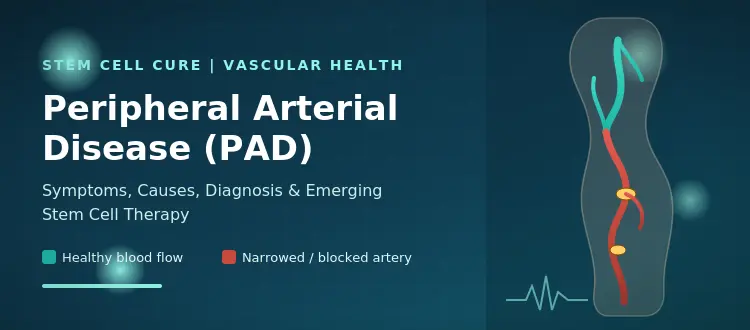
Peripheral Arterial Disease (PAD) is a common circulatory disorder in which narrowed or blocked arteries reduce blood flow to the arms or legs, most commonly the legs. Poor circulation deprives muscles and tissues of oxygen and nutrients, leading to pain, slow wound healing, and, in severe cases, tissue damage. If left untreated, PAD can increase the risk of ulcers, infections, and even limb loss.
Early diagnosis and proper treatment are essential to improve blood circulation and prevent complications. Along with lifestyle changes, medications, and vascular procedures, stem cell therapy for Periphreral Arterial Disease in India is being explored as an emerging regenerative treatment that may support blood vessel growth and tissue repair in carefully selected patients.
What Is Peripheral Arterial Disease?
Peripheral Arterial Disease develops when fatty deposits (plaque) build up inside the arteries, a condition known as atherosclerosis. As the arteries narrow, blood flow to the limbs becomes restricted. Reduced circulation can make walking painful and delay healing of cuts or wounds.
Although PAD most commonly affects the legs, it can also involve arteries supplying the arms and other parts of the body. The condition is often associated with an increased risk of heart attack and stroke.
Causes and Risk Factors
Several factors may increase the likelihood of developing PAD, including:
- Atherosclerosis
- Diabetes
- Smoking
- High blood pressure
- High cholesterol
- Obesity
- Increasing age
- Family history of cardiovascular disease
- Lack of physical activity
- Chronic kidney disease
Managing these risk factors is an important part of preventing disease progression.
Common Symptoms
Symptoms may develop gradually and can include:
- Leg pain while walking (intermittent claudication)
- Cramping in the calves, thighs, or hips
- Numbness or weakness in the legs
- Coldness in one foot or leg
- Slow-healing wounds on the feet or toes
- Skin discoloration
- Reduced hair growth on the legs
- Weak or absent pulse in the feet
- Pain at rest in advanced stages
- Tissue ulcers or gangrene in severe cases
Some individuals with PAD may have no symptoms during the early stages.
Diagnosis
A vascular specialist may recommend several tests to diagnose PAD, including:
- Medical history and physical examination
- Ankle-Brachial Index (ABI)
- Doppler ultrasound
- CT angiography
- MR angiography
- Conventional angiography
- Blood tests to assess cholesterol and blood sugar levels
Early diagnosis helps prevent serious complications and guides appropriate treatment.
Stem Cell Therapy for Peripheral Arterial Disease
Stem cell therapy is an emerging field of regenerative medicine being investigated for patients with Peripheral Arterial Disease. Researchers believe stem cells may help stimulate the formation of new blood vessels (angiogenesis), reduce inflammation, and support tissue repair in areas with poor blood circulation.
Before treatment, patients undergo a detailed vascular evaluation to determine their suitability. Stem cell therapy is generally offered as part of a comprehensive treatment plan that may also include medications, supervised exercise therapy, nutritional counseling, smoking cessation, and management of diabetes and blood pressure.
Although ongoing research has shown encouraging findings in selected patients, stem cell therapy is not considered a guaranteed cure for Peripheral Arterial Disease. Individual outcomes depend on the severity of arterial blockage, overall health, and response to treatment.
Potential Benefits of Stem Cell Therapy
Depending on the patient’s condition, potential benefits may include:
- Supports new blood vessel formation
- May improve blood circulation
- Helps reduce inflammation
- Supports tissue repair and healing
- May reduce leg pain during walking
- May improve wound healing
- Personalized treatment approach
- May improve mobility and quality of life
Results vary from patient to patient and require regular follow-up with vascular specialists.
Why Choose India for Stem Cell Therapy?
India has become a preferred destination for regenerative medicine because it offers:
- Experienced vascular specialists and regenerative medicine experts
- Advanced diagnostic and laboratory facilities
- Personalized treatment protocols
- Comprehensive rehabilitation programs
- Modern medical infrastructure
- Affordable treatment options
- High standards of patient care
Conclusion
Peripheral Arterial Disease is a serious vascular condition that can significantly affect mobility and overall health if left untreated. Early diagnosis, lifestyle modifications, and appropriate medical care are essential to slow disease progression and reduce complications. Stem cell therapy is an exciting area of regenerative medicine that continues to be researched for its potential to improve circulation and support tissue healing in selected patients. Consulting experienced vascular specialists is the best way to determine the most suitable treatment plan for individual needs.
Frequently Asked Questions (FAQs)
- What is Peripheral Arterial Disease (PAD)?
Peripheral Arterial Disease is a circulatory disorder in which narrowed arteries reduce blood flow to the legs or arms, leading to pain, poor circulation, and slow wound healing.
- What are the main symptoms of PAD?
Common symptoms include leg pain while walking, cramping, numbness, cold feet, slow-healing wounds, skin discoloration, and reduced circulation.
- Can Peripheral Arterial Disease be cured?
While PAD cannot always be completely cured, early diagnosis, lifestyle changes, medications, and appropriate medical treatments can effectively manage the condition and reduce complications.
- Can stem cell therapy help patients with PAD?
Stem cell therapy is being researched as a regenerative treatment that may support blood vessel growth, improve circulation, and enhance tissue repair in selected patients. It is not a guaranteed cure, and outcomes vary.
- Who may be eligible for stem cell therapy?
Patients with Peripheral Arterial Disease may be evaluated for stem cell therapy after a comprehensive vascular assessment by qualified vascular and regenerative medicine specialists.