
Last updated: 5 October 2026 | Author: Dr. Prashant Tyagi (Stem Cell Biotechnology Specialist, 10+ years) and Dr. B. N. Singh (General Physician, MBBS MS General Surgery, 30+ years)
Optic nerve damage treatment in India depends on how quickly the problem is found and what caused it. Some forms, such as sudden vision loss, need emergency assessment within hours or days, while others progress slowly over years. This guide explains the warning signs, the main causes, the care that is established and what stem cell research can and cannot offer.
Quick Navigation
- Why Optic Nerve Damage Is Serious
- Warning Signs That Need Urgent Care
- Established Care vs Investigational Treatment
- Where Stem Cell Research Stands
- Regulation and Approvals: What the Rules Say
- Why Eye Procedures Need Extra Caution
- Questions to Ask Before You Decide
- Frequently asked questions
Why Optic Nerve Damage Is Serious
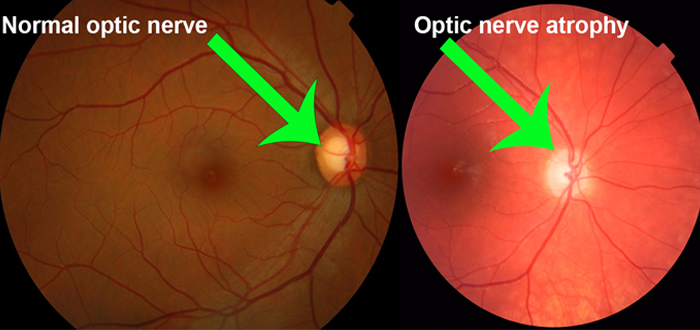
The optic nerve connects the eye to the brain, and its fibres have very limited ability to regrow. That is why protecting what remains is the main goal of treatment, and why early diagnosis changes outcomes.
Warning Signs That Need Urgent Care
- sudden loss or dimming of vision in one or both eyes
- pain on eye movement, especially with blurred vision
- a curtain or dark patch in the visual field
- vision loss after a head or eye injury
- headache, scalp tenderness or jaw pain with vision loss in people over 50 (needs same-day assessment)
Do not wait for these symptoms to settle. See an eye specialist or go to an emergency department.
Main Causes of Optic Nerve Damage
- Glaucoma: pressure-related damage that is usually painless and gradual
- Optic neuritis: inflammation, sometimes linked to multiple sclerosis
- Ischaemic optic neuropathy: reduced blood flow, often with diabetes or high blood pressure
- Trauma: direct injury or swelling after a head or eye injury
- Compression: tumours or swelling pressing on the nerve
- Toxic and nutritional causes: certain medicines, alcohol or tobacco, vitamin deficiency
- Inherited causes: LHON and dominant optic atrophy
Established Care vs Investigational Treatment
| Category | Status | What it involves |
|---|---|---|
| Emergency and cause-specific treatment | Standard of care | Lowering eye pressure, steroids for certain inflammatory causes, treating giant cell arteritis, decompressing or removing a compressing lesion |
| Controlling risk factors and follow-up | Standard of care | Blood pressure, diabetes, stopping tobacco, regular visual field and OCT checks |
| Low vision rehabilitation | Standard of care | Magnifiers, lighting, contrast aids, orientation and mobility training |
| Stem cell therapy for optic nerve damage | Investigational. Permitted only within approved clinical research | Studies on neuroprotection and repair; no proven treatment |
Where Stem Cell Research Stands
Laboratory and early human studies are exploring whether stem cells or the factors they release can protect injured optic nerve cells. Results are preliminary, and treatment outcomes cannot be predicted. For background on our approach, see the page on optic nerve damage. Stem cell therapy should never delay urgent standard treatment such as pressure control or steroids.
Regulation and Approvals: What the Rules Say
In India, stem cell use outside approved indications is classified as investigational under the National Guidelines for Stem Cell Research, 2017 (ICMR and DBT). The Health Ministry’s September 2026 advisory on regulation of stem cell therapy repeats that routine use is limited to approved indications. In practice this means a patient should be offered such treatment only as part of approved clinical research, with written informed consent.
- Ethics committee approval is required for investigational use.
- CDSCO permission applies to clinical trials of stem cell-derived products.
- Trials should be listed on the Clinical Trials Registry – India (CTRI).
- The National Medical Commission expects doctors not to market unproven treatment as established care.
Because regulations change, verify the latest position on the official websites listed below.
Why Eye Procedures Need Extra Caution
The retina and optic nerve are delicate and cannot be replaced. Doctors have documented severe, permanent vision loss after unregulated stem cell injections into the eye, which is why approvals matter more here than almost anywhere else in medicine. Insist on an approved clinical protocol, a qualified ophthalmologist or retina surgeon, ethics approval and informed consent, and tell your regular eye doctor about any plan before you proceed.
What Affects the Cost?
The total depends on pre-treatment investigations, the type of cells and how they are processed, how many sessions are planned, the length of stay, and travel. India is generally more affordable than many Western countries, but be wary of unusually low or guaranteed-result packages. Always request an itemised written estimate.
Questions to Ask Before You Decide
- Is this part of an approved protocol, and can you show the registration number?
- Who will perform the procedure, and what is their eye-surgery experience?
- What are the risks to my remaining vision?
- How will results be measured, and by whom?
- What exactly is included in the cost, in writing?
- Will my own eye specialist be kept informed?
See also our patient checklist for choosing a genuine stem cell clinic in India.
Frequently Asked Questions
Can a damaged optic nerve heal?
Most damage is permanent, though some inflammatory causes recover partly. Early treatment protects the remaining nerve.
What is the first step if I notice sudden vision loss?
See an ophthalmologist or emergency department immediately. Some causes need treatment within hours or days.
Is stem cell treatment approved for optic nerve damage?
No. It is investigational and permitted only within approved clinical research.
Can glaucoma damage be reversed?
Established glaucoma damage cannot currently be reversed. Treatment aims to stop further loss.
Should I stop my current eye treatment if I try stem cells?
No. Never stop treatment without your eye specialist’s advice.
Final Word
Optic nerve damage should be treated as an eye emergency when it comes on suddenly, and as a long-term condition to monitor when it is gradual. Standard care protects remaining vision; stem cell approaches remain investigational. Keep your own specialist involved at every step.
You can get an expert opinion, read about stem cell therapy in India, or see our pages on optic nerve damage and medical tourism in India. Our stem cell treatment cost in India price guide covers cost factors.
More Official Sources
- Central Drugs Standard Control Organisation (CDSCO)
- National Medical Commission (NMC)
- Indian Council of Medical Research (ICMR)
- Overview of the National Guidelines for Stem Cell Research 2017 (PubMed Central)
- National Eye Institute (NEI)
Related Readings
- Optic Nerve Atrophy Treatment in India – causes, tests and established care
- Stem Cell Therapy for Optic Nerve Damage – our page on optic nerve conditions
- Retinitis Pigmentosa Treatment in India – another inherited eye condition explained
- Stem Cell Post-Treatment Care – what follow-up usually involves
- Get an Expert Opinion – send your reports for review









The entire team was polite, supportive, and well-coordinated. I felt comfortable throughout the process and appreciated the personal attention and guidance provided by the staff. Overall, I am very happy with my experience at **Stem Cell Cure India** and would definitely recommend **Dr. Prashant Tyagi and his team** to anyone looking for professional and compassionate care.

The staff was also courteous, cooperative, and always willing to help. I truly appreciate the professionalism and personal attention provided throughout the journey. Overall, I had a very positive experience with **Dr. Prashant Tyagi and the entire Stem Cell Cure India team**. Highly recommended for their professional approach and supportive care.






I advise everyone to come and take a chance if suffering with this disease.
Thanks