In South Africa, the burden of chronic and degenerative diseases continues to rise, affecting individuals across age groups. Conditions such as osteoarthritis, autoimmune disorders, neurological diseases, and metabolic complications often require long-term management. While conventional treatments focus primarily on symptom control, many patients are now researching regenerative medicine—particularly stem cell therapy—as a complementary medical option.
Stem cell therapy is grounded in scientific research that spans several decades. Stem cells are unique biological cells capable of self-renewal and differentiation into specialized tissue types. Under controlled medical protocols, these cells may assist in modulating inflammation, supporting tissue repair, and enhancing cellular regeneration. It is important to understand that stem cell therapy is not positioned as a guaranteed cure but rather as a regenerative support approach when administered responsibly.
Patients from South Africa commonly explore stem cell treatment for:
- Joint degeneration and orthopedic disorders
- Autoimmune conditions
- Neurological disorders
- Chronic inflammatory diseases
- Degenerative tissue damage
Before considering treatment, reputable medical centers conduct detailed eligibility evaluations. This includes reviewing diagnostic reports, prior medical history, imaging studies, and overall health status. Not every patient qualifies for stem cell therapy, which is why transparent screening is essential for safety and ethical practice.
A critical factor for South African patients seeking care abroad is compliance with international medical standards. Trusted stem cell providers ensure:
- Ethical sourcing of stem cells
- Certified laboratory processing
- Strict sterility protocols
- Experienced medical supervision
- Post-treatment monitoring and follow-up
Such safeguards help maintain patient trust and clinical integrity. Regenerative medicine remains a developing field, and outcomes can vary depending on disease stage, severity, and individual biological response. Responsible providers clearly communicate both potential benefits and limitations.
Another important aspect is patient education. Individuals considering stem cell therapy should seek clarity on:
- The type of stem cells used
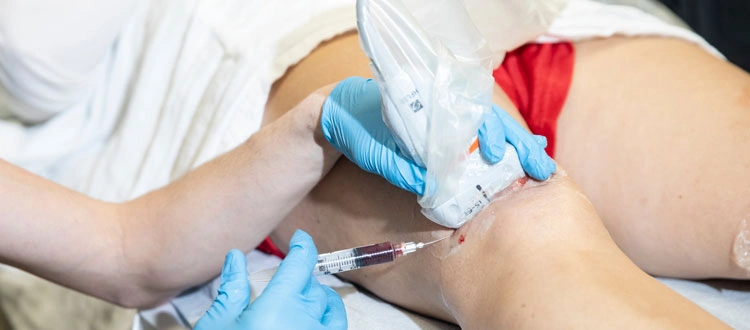
- Method of administration
- Clinical evidence supporting the procedure
- Possible risks and side effects
- Recovery expectations
Medical tourism planning is also a practical consideration. Patients from South Africa often require assistance with travel coordination, medical visas, and structured aftercare communication once they return home.
Stem cell research continues to evolve with stem cell therapy in South Africa, with ongoing clinical studies examining safety, long-term results, and expanded therapeutic applications. For South African patients dealing with chronic conditions that have limited response to conventional therapies, regenerative medicine represents an area of structured scientific exploration—not hype, but cautious optimism.
Making an informed decision begins with credible consultation and evidence-based understanding. With proper medical guidance, ethical practice, and realistic expectations, stem cell therapy may serve as a supportive option within a comprehensive treatment strategy.