In Yemen, access to highly specialized healthcare services remains limited due to infrastructure constraints and ongoing systemic pressures. Patients living with chronic, degenerative, neurological, or autoimmune diseases often explore advanced treatment options abroad to seek supportive medical care. Among these options, Stem Cell Therapy in Yemen has gained increasing attention as part of the broader field of regenerative medicine. International centers such as Stemcellcure.in are frequently researched by patients looking for structured and scientifically guided treatment programs.
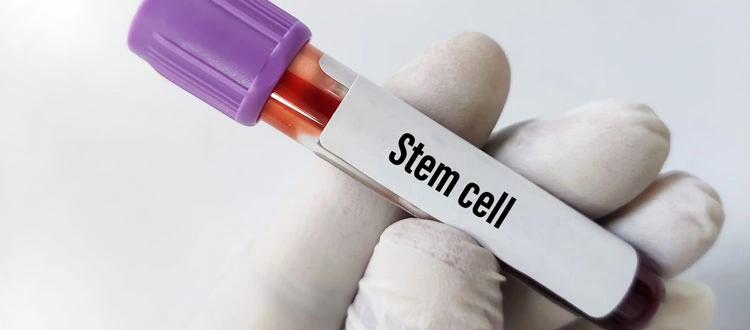
Stem cell therapy is designed to support the body’s natural repair mechanisms. Stem cells are unique biological units capable of self-renewal and differentiation into specialized tissue cells under controlled laboratory and clinical conditions. When administered responsibly, these cells may assist in regulating inflammation, promoting cellular repair, and supporting damaged tissues. However, it is important to clearly state that stem cell therapy is not a guaranteed cure and must be evaluated carefully on an individual basis.
Patients researching Stem Cell Therapy in Yemen commonly seek support for:
• Severe joint degeneration and osteoarthritis
• Neurological disorders and spinal conditions
• Autoimmune diseases
• Chronic inflammatory conditions
• Certain degenerative organ disorders
Safety and eligibility assessment remain the most critical components of regenerative medicine. At Stemcellcure.in, comprehensive screening is conducted before accepting any patient. This includes reviewing laboratory investigations, imaging reports (MRI, CT scans, X-rays where applicable), detailed medical history, and current medications. Patients with unstable or advanced systemic complications may not qualify, reflecting the importance of ethical patient selection.
Transparency in communication is especially essential for Yemeni patients traveling abroad. Responsible medical providers clearly explain:
• The source and classification of stem cells used
• Laboratory processing and sterile storage standards
• Mode and method of administration
• Potential risks and possible side effects
• Recovery expectations and follow-up protocols
Because regenerative medicine is still an evolving field supported by ongoing global research, treatment outcomes may vary significantly between individuals. Factors such as disease stage, age, overall health condition, and biological response influence results. Reputable providers focus on evidence-based medical protocols rather than exaggerated or unrealistic claims. Clear counseling protects patients from misinformation and ensures informed decision-making.
Travel logistics also require careful planning. Patients considering Stem Cell Therapy in Yemen through international centers often need assistance with appointment scheduling, medical documentation, and structured post-treatment communication. Telemedicine consultations allow physicians to monitor recovery progress once patients return home, ensuring continuity of care and professional guidance.
Despite healthcare limitations within Yemen, access to international regenerative medicine expertise has created new supportive possibilities. However, the decision to pursue stem cell therapy should always be based on verified medical advice, realistic expectations, and thorough risk-benefit evaluation.
Stemcellcure.in emphasizes patient safety, ethical medical standards, and scientific integrity. While stem cell therapy shows promising research potential, responsible application under experienced medical supervision remains essential for maintaining patient trust and healthcare accountability.