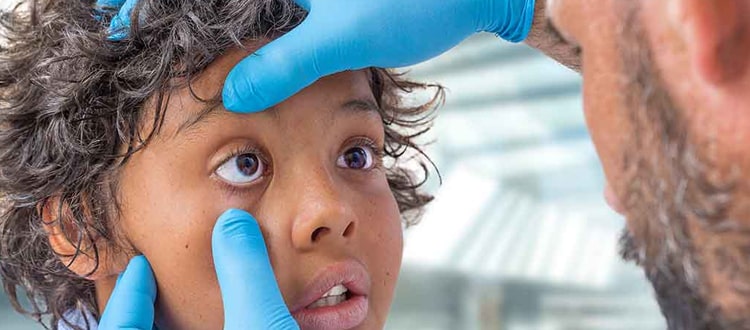

Inherited retinal dystrophies( IRDs) similar as retinitis pigmentosa(RP), Leber natural amaurosis( LCA) and cone- rod dystrophy — are a group of inheritable diseases that precipitously damage photoreceptors or the retinal color epithelium and frequently lead to severe vision loss. Over the last five times the treatment geography has shifted from purely probative care to targeted, biology- driven curatives gene addition, gene editing, optogenetics and stem- cell grounded retinal relief.
What’s new in exploration( 2023 – 2025)
Gene remedy continues to lead clinical progress for rare, single- gene IRDs. Newer trials are expanding to other genes( AIPL1, RPGR, MYO7A) and exploring bettered AAV vectors, subretinal and suprachoroidal delivery, and RNA or CRISPR- grounded editing approaches. Promising beforehand- phase results( including dramatic vision advancements in some children with AIPL1 mutations) were reported in 2024 – 2025.
Resemblant to gene remedy, cell- grounded approaches are advancing. Several groups are testing retinal color epithelium( RPE) and photoreceptor ancestor transplants deduced from pluripotent stem cells to replace lost towel or support surviving photoreceptors. India has active academic and private enterprise exploring iPSC- deduced RPE curatives and stem- cell programs for macular and retinal diseases, signaling growing original capability.
Realistic prospects & success rates
“ Success ” varies by complaint, stage and remedy. For Luxturna in RPE65- associated complaint, clinical trials and follow- up studies showed significant advancements in light- perceptivity and mobility in numerous treated cases, but not a universal restoration of normal vision; roughly half of trial actors met prespecified clinically meaningful endpoints in some analyses — advancements that can be life- changing for mobility and diurnal function. Newer trials( AIPL1, RPGR) report encouraging early results, especially when intervention happens beforehand in complaint course. Long- term continuity and broader connection to latterly- stage complaint remain active questions.
Cost companion what cases should know
Cutting- edge curatives presently carry high price markers. Luxturna’s list price historically has been reported at about US$ 425,000 per eye( ≈ US$ 850,000 for bilateral treatment), and payers, issues- grounded agreements and abatements affect real patient cost. Gene and cell curatives bear technical surgery and follow- up, adding sanitarium and procedural costs. In India, direct vacuity of approved gene curatives is limited; arising original trials and manufacturing may reduce unborn costs, but current out- of- fund charges for experimental stem- cell procedures and transnational gene- remedy access can still be substantial. Always check program-specific pricing, payment options and clinical- trial openings.
Conclusion
If you or a loved one have an IRD( 1) get inheritable testing and comforting( knowing the exact mutation determines eligibility for numerous trials curatives);( 2) consult a retina specialist involved in gene/ cell remedy trials;( 3) ask about clinical trials( transnational and India- grounded) and realistic issues for your mutation and complaint stage.