Glaucomatous optic atrophy is a progressive neurodegenerative condition that occurs as a result of long-standing glaucoma. It involves irreversible damage to the optic nerve fibers, leading to gradual and permanent loss of vision. Glaucoma itself is characterized by increased intraocular pressure or impaired blood flow to the optic nerve, which over time causes degeneration of retinal ganglion cells and optic nerve tissue.
In the early stages, glaucoma often remains asymptomatic, which is why it is commonly referred to as the “silent thief of sight.” As optic nerve damage progresses, patients begin to experience peripheral vision loss, difficulty in low-light conditions, reduced contrast sensitivity, and eventually central vision impairment in advanced stages. Once optic nerve atrophy develops, the lost nerve fibers cannot be regenerated through conventional medical or surgical treatments.
Glaucomatous optic atrophy is primarily caused by chronic elevation of intraocular pressure, but it can also occur in normal-tension glaucoma due to reduced optic nerve blood supply, vascular dysregulation, and oxidative stress. Risk factors include aging, diabetes, hypertension, family history, prolonged steroid use, and systemic vascular disorders.
Conventional glaucoma management focuses on lowering intraocular pressure using eye drops, laser therapy, or surgical procedures. These treatments are effective in slowing disease progression but do not restore damaged optic nerve tissue. Even with well-controlled eye pressure, some patients continue to experience visual deterioration due to ongoing neurodegeneration.
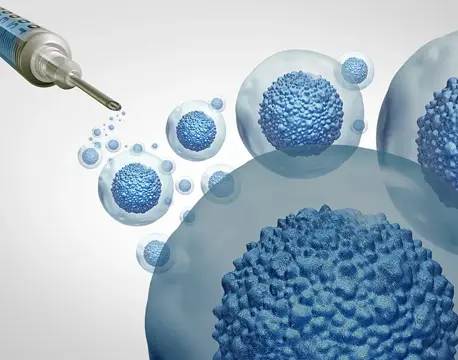
Stem cell therapy provides a regenerative approach aimed at protecting remaining optic nerve fibers and improving neural function. At Stem Cell Cure India, advanced regenerative protocols are used to support optic nerve health by enhancing neuroprotection, reducing inflammation, and improving microcirculation around the optic nerve head. Stem cells release neurotrophic factors, anti-inflammatory molecules, and growth signals that help create a favorable environment for neural survival.
Although stem cells cannot replace completely lost optic nerve fibers, they may help preserve remaining neurons, improve cellular metabolism, and slow further degeneration. The therapeutic goal is to stabilize vision, enhance functional visual capacity, and improve quality of life for patients with advanced glaucoma.
Before initiating therapy, patients undergo comprehensive ophthalmic evaluation including visual acuity testing, visual field analysis, optical coherence tomography (OCT), fundus examination, intraocular pressure measurement, and systemic medical assessment. These investigations help determine the extent of optic nerve damage and suitability for regenerative treatment.
At Stem Cell Cure India, treatment for glaucomatous optic atrophy is personalized based on disease severity, duration, response to conventional therapy, and overall health status. Patients are closely monitored during and after therapy to assess visual function, optic nerve stability, and neurological response.
Stem cell therapy for glaucomatous optic atrophy represents an advanced supportive option for patients who have exhausted conventional treatments but continue to experience vision loss. By focusing on neural protection and regenerative support, Stem Cell Cure India offers a scientifically guided and ethically supervised approach aimed at preserving vision and enhancing long-term visual function.
It is optic nerve damage caused by long-term glaucoma.
Yes, but progression can be slowed.
They may help protect nerve cells and improve functional recovery.
Not always; normal-tension glaucoma also exists.
Early glaucoma detection and treatment is key.


