Usher syndrome is a rare genetic disorder characterized by the combined presence of hearing loss and progressive vision loss due to retinitis pigmentosa (RP). It is one of the most common causes of inherited deaf-blindness worldwide. The condition affects the photoreceptor cells of the retina, particularly the rod cells, which are responsible for night vision and peripheral visual perception. Over time, cone cells may also become involved, leading to central vision impairment.
Patients with Usher syndrome usually experience night blindness as one of the earliest symptoms. This is followed by gradual loss of peripheral vision, often described as tunnel vision. As the disease progresses, individuals may develop difficulty in navigating in low-light environments, frequent collisions with objects, and reduced visual field awareness. In advanced stages, central vision may also be affected, significantly limiting independence and daily functioning.
Usher syndrome is caused by genetic mutations that affect proteins essential for retinal structure and function. There are several subtypes of Usher syndrome, each varying in severity, age of onset, and rate of progression. Currently, there is no definitive cure for Usher syndrome induced RP. Conventional management focuses on visual rehabilitation, hearing support, genetic counseling, and assistive devices to help patients adapt to sensory loss.
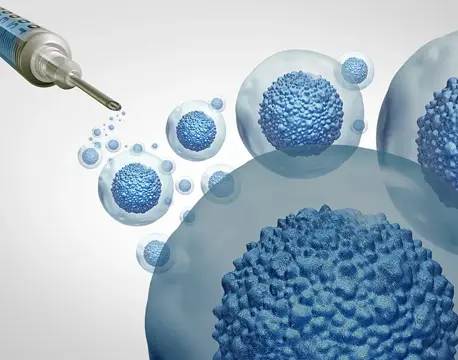
Stem cell therapy offers a regenerative approach for managing retinal degeneration associated with Usher syndrome. At Stem Cell Cure India, advanced regenerative protocols are designed to support retinal cell survival, reduce inflammatory stress, and improve the cellular environment of the retina. Stem cells release neurotrophic factors and growth signals that may help protect remaining photoreceptor cells and slow disease progression.
While stem cells cannot fully replace lost photoreceptors at present, they may help preserve existing retinal function and improve visual performance. The therapeutic goal is to stabilize vision, delay further degeneration, and enhance functional capacity for daily activities.
Before initiating therapy, patients undergo detailed ophthalmic evaluation including fundus examination, optical coherence tomography (OCT), electroretinography (ERG), visual field testing, and systemic medical assessment. Genetic testing and hearing evaluation are also considered to determine disease subtype and overall clinical profile.
At Stem Cell Cure India, treatment plans for Usher syndrome induced RP are individualized based on age, disease stage, genetic background, and current visual function. Patients are closely monitored for visual response and retinal stability throughout the treatment process.
Stem cell therapy for Usher syndrome represents an advanced supportive option for patients seeking to preserve remaining vision and improve quality of life. By combining regenerative medicine with specialized ophthalmic care, Stem Cell Cure India provides an ethical, evidence-based, and patient-centered approach to managing inherited retinal degeneration.
A genetic disorder causing hearing loss and retinitis pigmentosa.
Progressive retinal degeneration leading to night blindness.
They may support retinal cell survival and slow vision loss.
Yes, it is autosomal recessive.
In advanced stages, severe vision loss may occur.


