Alström syndrome is a rare inherited multisystem disorder that leads to progressive retinal dystrophy along with a range of systemic complications. It is caused by mutations in the ALMS1 gene, which plays an important role in cellular function and ciliary structure. One of the earliest and most disabling features of Alström syndrome is retinal degeneration, which results in gradual and irreversible vision loss.
Retinal dystrophy in Alström syndrome typically begins in infancy or early childhood. Children may show signs of poor visual fixation, light sensitivity, nystagmus (involuntary eye movements), and reduced visual acuity. As the disease progresses, both cone and rod photoreceptors are affected, leading to combined loss of central vision, color perception, night vision, and peripheral vision. By adolescence or early adulthood, many patients experience severe visual impairment or functional blindness.
Unlike isolated retinal dystrophies, Alström syndrome affects multiple organ systems. Patients may also develop hearing loss, obesity, insulin resistance, type 2 diabetes, cardiomyopathy, kidney dysfunction, and hormonal imbalances. Because of its systemic nature, Alström syndrome requires long-term multidisciplinary medical care.
From an ophthalmic perspective, there is currently no curative treatment for Alström syndrome induced retinal dystrophy. Conventional management includes visual aids, tinted lenses for photophobia, low-vision rehabilitation, and supportive therapies. These measures help patients adapt to vision loss but do not slow or reverse retinal degeneration.
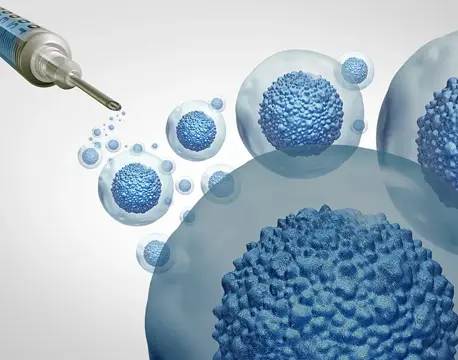
Stem cell therapy offers a regenerative approach aimed at supporting retinal tissue and improving cellular health. At Stem Cell Cure India, regenerative protocols are designed to address the underlying mechanisms of neurodegeneration and cellular dysfunction seen in retinal dystrophies. Stem cells release growth factors, anti-inflammatory molecules, and neuroprotective substances that help create a healthier retinal microenvironment.
Although stem cells cannot regenerate fully destroyed photoreceptors at present, they may help preserve remaining retinal cells, improve metabolic support, and reduce ongoing cellular stress. The therapeutic goal is to slow disease progression, stabilize visual function, and improve functional vision for daily activities.
Before initiating therapy, patients undergo comprehensive evaluation including detailed retinal examination, optical coherence tomography (OCT), electroretinography (ERG), visual field testing, and systemic medical assessment. Because Alström syndrome affects multiple organs, cardiac, metabolic, renal, and endocrine evaluations are also essential before planning regenerative treatment.
At Stem Cell Cure India, treatment for Alström syndrome induced retinal dystrophy is individualized based on patient age, disease severity, systemic health status, and current visual function. All therapies are conducted under strict medical supervision with continuous monitoring of both ocular and systemic outcomes.
Stem cell therapy for Alström syndrome represents an advanced supportive option for patients seeking to preserve remaining vision and improve long-term quality of life. By integrating regenerative medicine with comprehensive medical care, Stem Cell Cure India provides a scientifically guided, ethical, and patient-focused approach to managing this complex inherited disorder.
A rare genetic disorder affecting vision, hearing, heart, and metabolism.
It causes early-onset retinal dystrophy.
It may help preserve retinal structure and function.
No cure exists, only supportive management.
Yes, it is autosomal recessive.


