Autoimmune Related Retinopathy and Optic Neuropathy (ARRON) is a rare group of immune-mediated disorders in which the body’s immune system mistakenly targets and damages retinal cells and the optic nerve. This abnormal immune response leads to progressive degeneration of visual structures, resulting in gradual or sometimes rapid loss of vision. ARRON can occur independently or in association with systemic autoimmune diseases such as systemic lupus erythematosus, rheumatoid arthritis, Sjögren’s syndrome, multiple sclerosis, or paraneoplastic syndromes.
Patients with ARRON often present with symptoms such as blurred or distorted vision, visual field defects, difficulty seeing in low light, increased light sensitivity, and reduced contrast perception. Some individuals experience sudden visual decline, while others notice a slow but continuous deterioration over months or years. Because ARRON affects both the retina and optic nerve, patients may show mixed clinical features of retinal degeneration and optic neuropathy.
From a medical standpoint, ARRON is challenging to diagnose because early fundus examination may appear relatively normal despite significant functional vision loss. Advanced investigations such as optical coherence tomography (OCT), visual field testing, electroretinography (ERG), visual evoked potentials (VEP), and autoimmune antibody panels are required to confirm the diagnosis and assess disease activity.
Conventional treatment focuses on controlling immune activity using corticosteroids, immunosuppressive drugs, and immunomodulatory therapies. These treatments aim to reduce inflammation and slow disease progression, but they do not repair already damaged retinal or optic nerve tissue. Long-term immunosuppression also carries risks such as infections, metabolic complications, and systemic side effects.
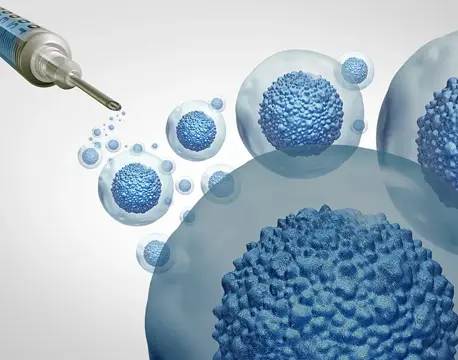
Stem cell therapy offers a regenerative and immunomodulatory approach for ARRON. At Stem Cell Cure India, treatment protocols are designed to address both immune dysregulation and neural tissue damage. Stem cells possess immunoregulatory properties that help modulate abnormal immune responses and reduce chronic inflammation. At the same time, they release growth factors and neurotrophic substances that support retinal cells and optic nerve fibers.
The therapeutic strategy focuses on creating a more stable and protective microenvironment within the eye. By reducing inflammatory signaling and supporting neural survival, stem cell therapy may help preserve remaining vision and slow further neurodegeneration. While it may not reverse advanced structural damage, it can play a significant role in functional stabilization and visual maintenance.
Before treatment, patients undergo a detailed diagnostic workup including autoimmune profiling, retinal imaging, neurological assessment, and systemic health evaluation. This ensures that therapy is safe, targeted, and suitable for the patient’s immune status and disease stage.
At Stem Cell Cure India, ARRON treatment is individualized and conducted under strict medical supervision. Patients are closely monitored for visual changes, immune markers, and overall neurological response. Follow-up assessments help evaluate treatment effectiveness and guide long-term management strategies.
Stem cell therapy for ARRON represents an advanced option for patients who continue to experience visual decline despite conventional immunotherapy. By combining immune regulation with regenerative medicine, Stem Cell Cure India provides a scientifically guided, ethical, and patient-centered approach aimed at preserving vision, improving functional outcomes, and enhancing quality of life for individuals affected by autoimmune-related visual disorders.
It is an autoimmune condition where the immune system attacks retinal and optic nerve cells.
Abnormal immune responses and autoantibodies.
Early intervention may slow damage, but advanced loss is often permanent.
Stem cells may reduce inflammation and support retinal repair.
Yes, it is considered a rare autoimmune eye disorder.


